November 25, 2026
What drives water loss in a commercial pool?
By @poolcarenotes
Water loss in a commercial pool is more than a maintenance annoyance. For a facility manager, every drop that leaves the basin has a direct effect on operating costs. The water itself costs money, and the chemicals and energy needed to treat and heat the replacement water add up quickly. Understanding where that water goes and how a commercial pool leak inspection can identify hidden losses is essential for keeping expenses under control.
The real cost of a slow leak
A commercial pool may lose water through evaporation, splashing, or backwashing. But a steady drop in water level that continues when the pool is unused and the pump is off usually points to a leak. Even a small leak can waste thousands of gallons over a season. That lost water must be replaced, which means paying for the water itself and then for the chemicals to rebalance the water chemistry. If the pool is heated, you also pay to warm the replacement water. Over time, those costs can become a significant line item in the facility budget.
Beyond the direct expenses, a leak can cause damage to the pool structure, surrounding deck, and equipment. Water that seeps into the ground around the pool can erode the base, crack gunite or concrete, and shorten the life of the plumbing network. Repairing that kind of damage is far more expensive than fixing the leak early. A commercial pool leak inspection is the surest way to catch small problems before they turn into large ones.
How leaks happen in commercial pools
Commercial pools are built tough, but they are not immune to wear. The shell may develop cracks from ground movement, temperature changes, or age. The plumbing network of pipes, fittings, and seals can degrade over time. Gaskets around lights, skimmers, and main drains can fail. Liner pools can develop tears or loose seams. Even the circulation system itself can create pressure imbalances that force water out through unexpected paths.
Because a commercial pool is used heavily, often every day, the signs of a leak can be masked by normal operation. The water level might drop a half-inch overnight, but if the pool is refilled automatically, the facility manager may never notice. Only when the water bill spikes or the chemical demand rises does the issue become visible. That is why a periodic commercial pool leak inspection is so valuable. It can find the problem while it is still small and cheap to fix.
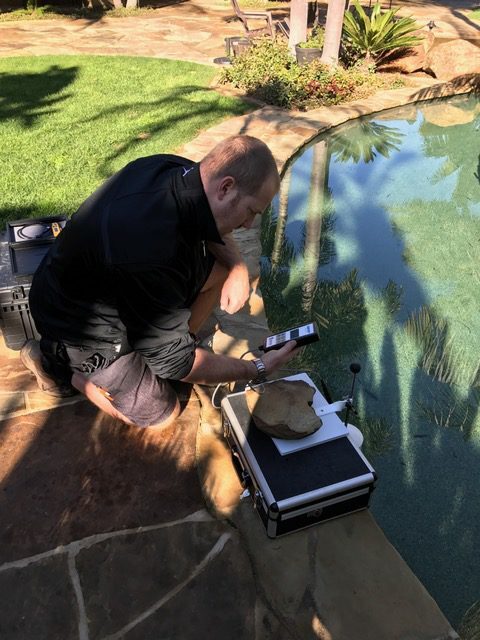
Reading the water meter and other clues
A facility manager can start by watching the water meter. If the pool is on a dedicated meter, a sudden increase in water use is a strong signal. Another simple test is the bucket test: fill a bucket with pool water to the same level as the pool, set it on a pool step, and compare the water loss in the pool to the loss in the bucket over 24 hours. If the pool loses more, there is a leak. This test works best when the pump is off and the pool is not used, so that evaporation and splashing are not factors.
Other clues include air bubbles in the return jets, wet spots in the ground around the pool, or a persistent need to add chemicals. A pool that needs more chlorine than usual may be losing water that already contains chlorine, then receiving fresh water that requires more chemical treatment. That cycle wastes both water and chemicals.
Why a professional inspection matters
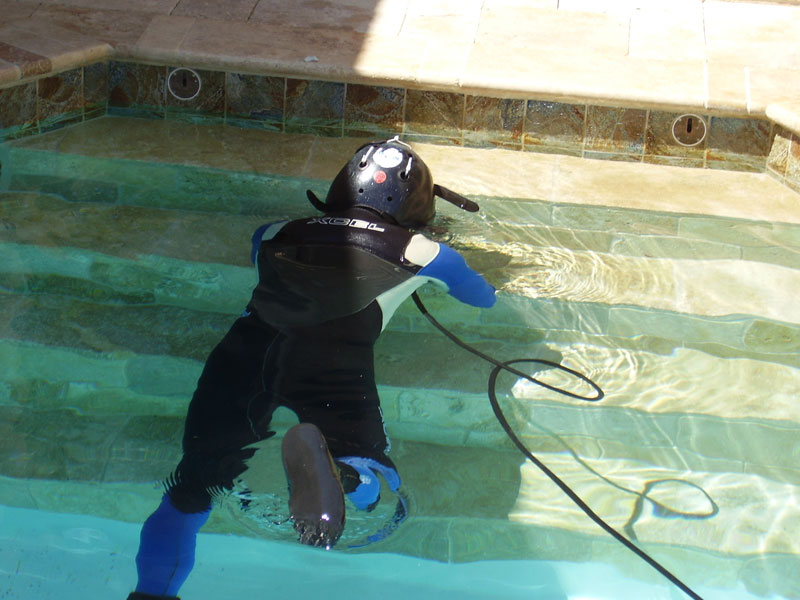
Some leaks are easy to find, but many are not. A crack in a pipe buried under concrete or in the ground may not show itself for a long time. A leak at a seal inside the equipment pad can be hidden behind pumps and filters. Finding these leaks often requires specialized equipment such as pressure testers, listening devices, or dye testing. A professional commercial pool leak inspection brings that equipment and the experience to interpret the results.
For a facility manager, scheduling an inspection is a proactive step. It avoids the higher costs that come from letting a leak run. It also protects the pool's equipment. A pump that runs while drawing air from a suction-side leak can be damaged by cavitation. A heater that fires with low water flow can be ruined. Catching a leak early can save thousands of dollars in equipment replacement costs.
Swim Care Pool Services provides specialized leak detection for residential and commercial swimming pools, spas, and related plumbing in San Diego. Their work focuses on finding the exact location of a leak so that repairs can be targeted and effective.

Keeping an inspection record
A good facility manager keeps an inspection record of all maintenance activities, including leak inspections. That record helps track the pool's condition over time and can show patterns that point to recurring issues. It also helps when budgeting for repairs or when justifying the cost of a commercial pool leak inspection to a board or property owner. When you can show that a regular inspection has caught problems early and kept operating costs stable, the investment is easy to defend.
The record should include the date of each inspection, what was found, and what was done to fix it. Over time, that history becomes a valuable tool for planning future maintenance and for deciding when larger renovations might be needed.
Evaporation versus a real leak
Not all water loss is a leak. Evaporation is a natural process, and it can be significant in hot, dry, or windy conditions. A public pool with a large surface area can lose a surprising amount of water to evaporation on a summer day. Splashing from swimmers also removes water. Backwashing a filter sends water to waste. All of these are normal losses that are part of operating a commercial pool.
The key is to separate those normal losses from a true leak. That is where the bucket test helps, and where a professional inspection provides clarity. If the water loss is normal, the facility manager can focus on reducing it with covers, windbreaks, or adjusting the pool schedule. If it is a leak, the inspection identifies the source so it can be fixed.
Swim Care Pool Services offers the tools and expertise to make that distinction. Their commercial pool leak inspection helps facility managers understand exactly what is happening with their water.
Preventing leaks through good maintenance
Prevention is always cheaper than repair. Keeping the pool's water chemistry balanced prevents corrosion of metal parts and deterioration of plaster or liner. Maintaining proper water pressure reduces stress on the plumbing network. Regular checks of the pump, filter, and heater catch small issues before they cause leaks. A good maintenance routine can extend the life of the pool and reduce the need for emergency leak repairs.
But even with the best maintenance, leaks can happen. Ground movement, aging materials, and accidental damage are hard to prevent entirely. That is why a commercial pool leak inspection should be part of a regular maintenance schedule. It provides peace of mind and keeps operating costs predictable.
❧